
7 Easy Swaps to Make Your Bathroom Plastic-Free
14 Jan 2025 · 5 min read
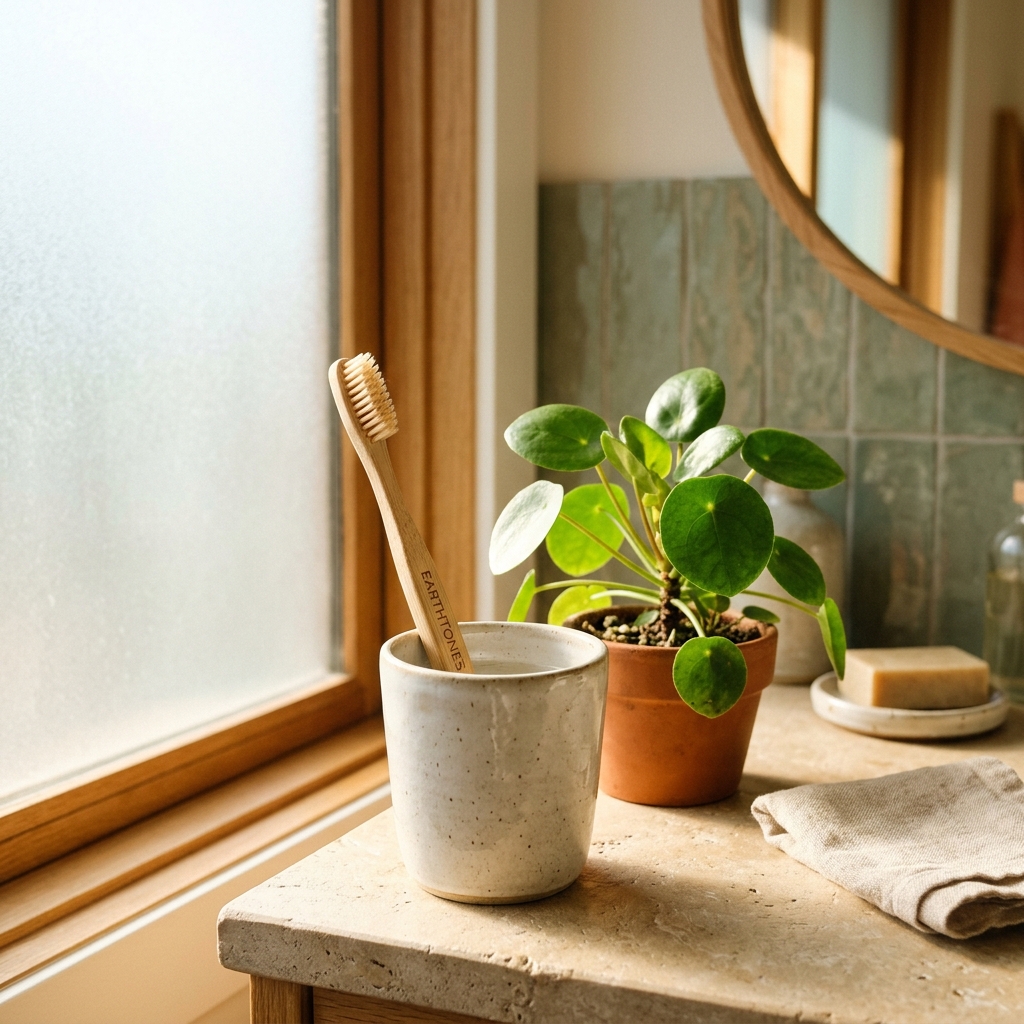
Walk into any Indian bathroom and count the plastic: toothbrush, toothpaste tube, shampoo bottle, comb, razor, floss picks. The average bathroom shelf carries a dozen pieces of plastic that will outlive everyone in the house. The good news? You don't need to replace everything overnight — just one swap at a time, each one cheaper than the last plastic thing you bought.
1. The toothbrush (start here — it's the easiest)
Dentists say replace your toothbrush every three months. That's four plastic toothbrushes a year per person, none of them recyclable in most Indian cities. A bamboo toothbrush works the same way, costs as little as ₹39, and the handle returns to the earth when you're done with it. Swap it once and you never think about it again.
2-7. The rest of the shelf
- Bar soap instead of shower gel bottles — cheaper per wash, zero packaging
- A bamboo or neem comb instead of plastic — lasts years, not months
- Refill stations or larger refill packs for shampoo and conditioner
- Safety razor with replaceable steel blades — the blades recycle, the handle lasts a decade
- Charcoal or bamboo earbuds with paper stems instead of plastic sticks
- A tongue cleaner made of steel or bamboo — lasts a lifetime
The 30-day rule
Don't buy replacements you don't need yet — that's just green consumerism. Finish what you have, and when it runs out, replace it with the plastic-free version. One swap a month and in six months your bathroom is unrecognisable. Start with the brush: it's from ₹39, it ships free above ₹299, and it's the one swap you'll never have to think about again.
Ready to make the easiest swap?
Bamboo toothbrushes from ₹39 — laser-engraved with your name for +₹30.
Shop the rangeKeep reading
Why Bamboo? The Story Behind Your Brush
It's a grass that grows up to a metre a day, needs no replanting, and makes a handle that feels better than plastic. Here's why bamboo won.
How to Care for (and Compost) Your Bamboo Toothbrush
Rinse, dry, repeat — and after three months, give the handle back to the soil in four weeks. The full lifecycle, explained.